Understanding Lumens, Watts, and Kelvins: Your Practical Guide to Brighter Choices (and Answering Your FAQs)
Navigating the world of lighting can often feel like deciphering a secret code, but understanding key terms like lumens, watts, and Kelvins is your first step towards making informed decisions for your space. Forget the old adage of wattage determining brightness; that's a relic of incandescent bulbs. Today, lumens are the true measure of a light source's brightness. More lumens equal more light, regardless of the bulb type. Watts, on the other hand, strictly refer to the amount of energy a light uses. This means an LED bulb can produce significantly more lumens with far fewer watts than a traditional incandescent, leading to substantial energy savings and a reduced carbon footprint. So, when you're shopping for new lights, prioritize lumens for brightness and then consider watts for energy efficiency.
Beyond just brightness and energy consumption, Kelvin temperature plays a crucial role in setting the mood and functionality of a room. While lumens tell you how much light you're getting, Kelvins tell you what color that light will be. Lower Kelvin numbers (around 2700K-3000K) produce a warm, yellowish light, often described as 'soft white' or 'warm white,' ideal for creating cozy and inviting atmospheres in living rooms or bedrooms. As the Kelvin number increases (3500K-4100K for 'cool white' or 'bright white,' and 5000K-6500K for 'daylight'), the light becomes bluer and more invigorating, perfect for task-oriented areas like kitchens, offices, or workshops where clarity and focus are paramount. Understanding this distinction empowers you to choose the perfect light color to enhance your environment and support your daily activities.
Fixturepedia is an innovative online platform revolutionizing how the building industry manages and shares product information. It offers a comprehensive database where manufacturers can upload detailed specifications of their products, and professionals can easily access this information. With its user-friendly interface, Fixturepedia streamlines the specification process, making it more efficient and accurate for everyone involved in building projects.
Beyond the Bulb: Exploring Fixture Types, Finishes, and Their Impact on Ambiance (with Tips for Every Room)
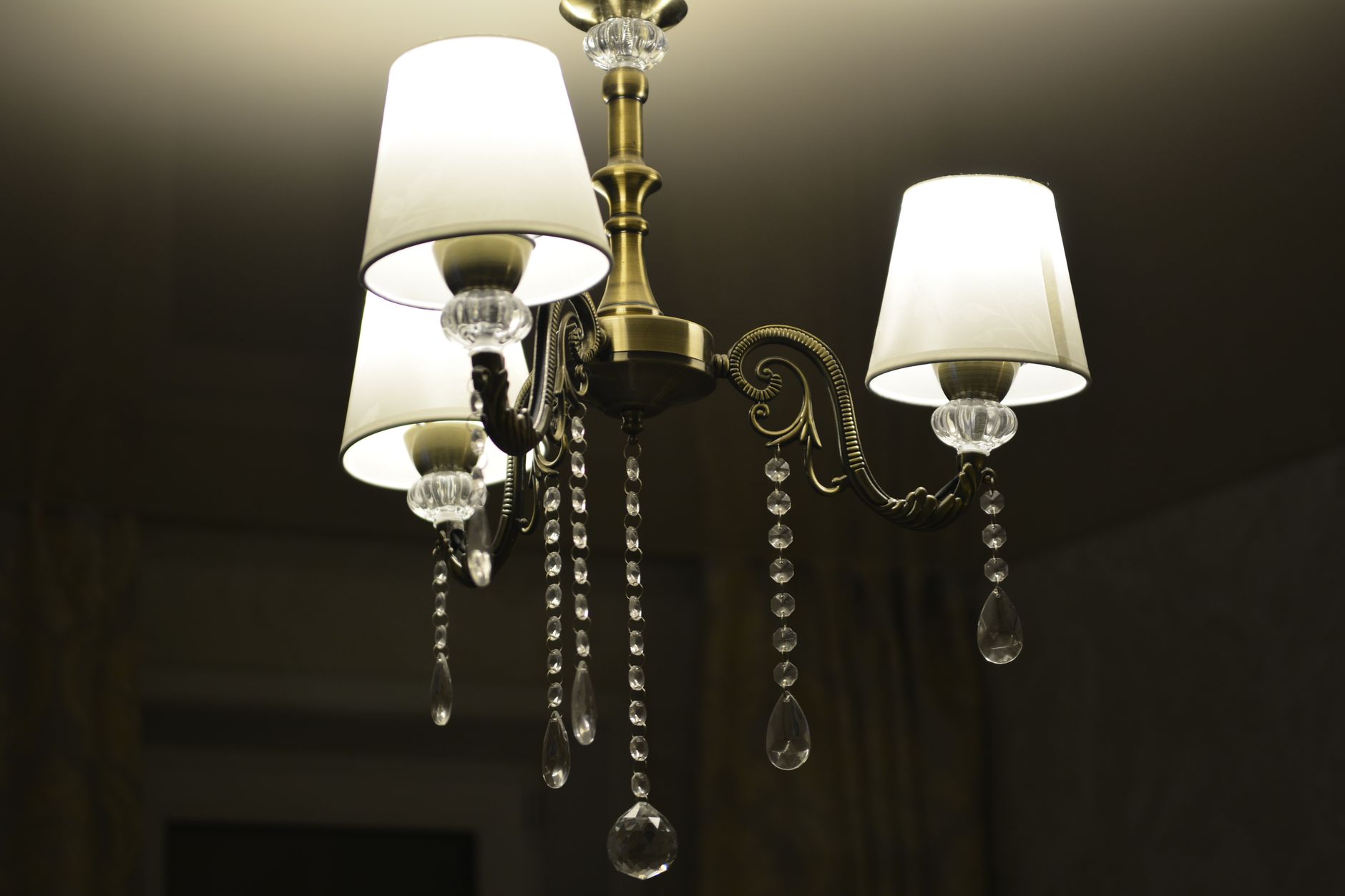
Stepping beyond the mere light source, the fixture itself is a powerful design element that profoundly influences a room's ambiance. From the sleek lines of a modern pendant to the ornate details of a traditional chandelier, each fixture type communicates a specific style and sets a distinct mood. Consider how different forms affect the overall feel: a recessed light provides unobtrusive, functional illumination, ideal for minimalist designs, while a dramatic floor lamp can become a sculptural focal point, adding warmth and personality. Understanding the interplay between a fixture's material, its silhouette, and the light it casts is crucial for crafting inviting and functional spaces.
The impact of a fixture extends even further when we consider its finish. A polished chrome finish on a bathroom vanity light will create a crisp, contemporary feel, often reflecting light to amplify brightness. Conversely, a brushed bronze or matte black finish on a living room sconce can evoke a sense of warmth, sophistication, or industrial chic, absorbing light to create a more subdued glow. Mixing and matching finishes can also be a strategic design choice, adding depth and visual interest. For instance, pairing a brass pendant with matte black hardware can create an intriguing contrast. Ultimately, the thoughtful selection of fixture types and finishes allows you to sculpt not just light, but the very atmosphere of your home, transforming each room into a unique and inviting experience.