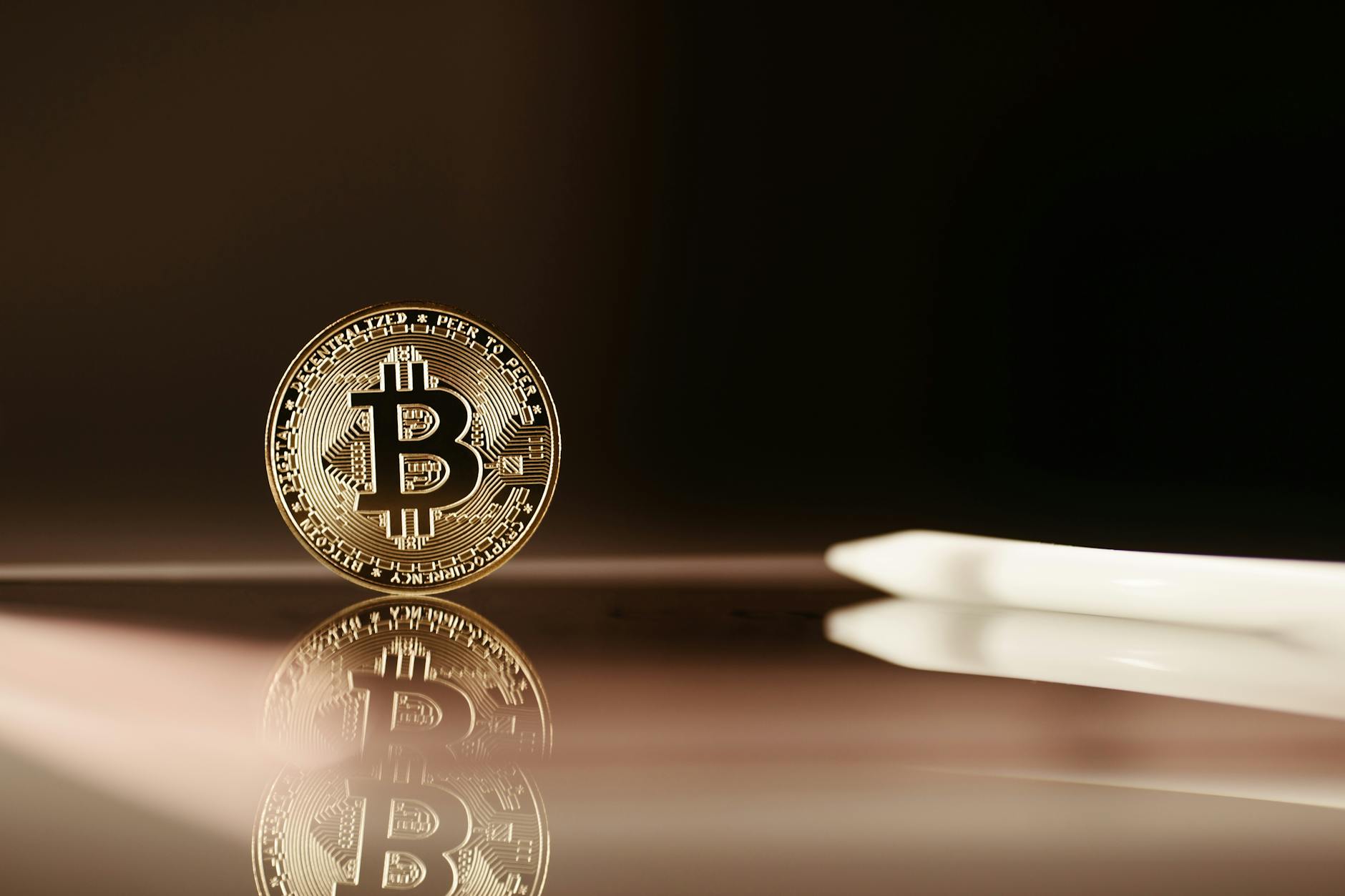
Understanding Decentralized Sportsbooks: Your Questions Answered (and How to Get Started)
Decentralized sportsbooks represent a significant leap forward from their traditional counterparts, leveraging blockchain technology to offer a more transparent and secure betting experience. Unlike centralized platforms that operate under a single entity, decentralized options distribute control across a network of users. This fundamental difference means no single point of failure and often, enhanced privacy for bettors. Transactions are recorded on an immutable ledger, typically a public blockchain, ensuring that every bet and payout is verifiable and cannot be tampered with. Furthermore, the use of smart contracts automates various processes, from bet settlement to payout distribution, eliminating the need for intermediaries and reducing potential human error or bias. Understanding this shift from a trust-based system to a
Getting started with a decentralized sportsbook might seem daunting at first, but the process is surprisingly straightforward for anyone familiar with cryptocurrencies. The initial step involves acquiring a compatible cryptocurrency, usually Ethereum (ETH) or a stablecoin, which will be used to place bets. Next, you'll need a
As the World Cup approaches, many fans are looking for new and exciting ways to engage with the tournament. One increasingly popular option is to bet on the World Cup with crypto, offering a modern and decentralized approach to sports wagering. This method provides a secure and often faster alternative to traditional betting, attracting a growing number of enthusiasts globally.
Placing Your World Cup Bets: Practical Tips for Navigating the Decentralized Landscape
Navigating the decentralized landscape for World Cup betting requires a shift in perspective from traditional bookmakers. Instead of relying on a single entity, you'll be interacting with peer-to-peer protocols and smart contracts. This means understanding the underlying technology, like blockchain networks (e.g., Ethereum, Polygon) and the specific decentralized applications (dApps) or prediction markets you choose. Key practical tips include:
- Researching platform security: Verify smart contract audits and community reputation.
- Understanding gas fees: Factor in transaction costs associated with blockchain interactions.
- Managing your own keys: Take full responsibility for your cryptocurrency wallet security.
Once you've selected a reputable decentralized betting platform, the practicalities of placing your World Cup wagers come into focus. You'll likely need to acquire the platform's native token or a commonly used cryptocurrency (like ETH or a stablecoin) to participate. Familiarize yourself with the interface, which often differs significantly from conventional sportsbooks. Many decentralized platforms utilize Automated Market Makers (AMMs) or liquidity pools, meaning odds can fluctuate based on supply and demand within the pool, so timing your bet can be crucial. Consider these points:
"The decentralized nature empowers users, but also necessitates greater personal responsibility for fund management and understanding market dynamics."Always start with smaller bets to get comfortable with the process before committing significant capital, and remember that withdrawals will also incur network transaction fees.