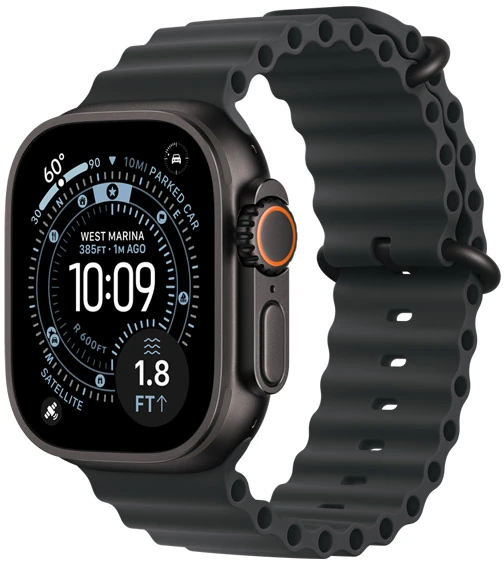
The Evolution of Timekeeping: Why Your Old Wristwatch Can't Compete with Smartwatch Technology
The evolution of timekeeping has come a long way from the sundials and hourglasses of ancient civilizations to today's highly sophisticated smartwatch technology. Traditional wristwatches, while elegant and indicative of personal style, often lack the multifunctional capabilities that smartwatches offer. Unlike their older counterparts, which primarily serve the basic purpose of telling time, smartwatches integrate a plethora of features including health monitoring, GPS navigation, and even smartphone connectivity. This technological advancement not only enhances convenience but also transforms how individuals manage their daily activities.
Additionally, the rise of smartwatch technology has ushered in an era where timekeeping transcends mere utility. Users can benefit from real-time notifications, track fitness metrics, and even control smart home devices directly from their wrists. Traditional watches simply cannot compete with these functionalities, which have become essential in our fast-paced digital world. As we embrace the future, it's clear that the old wristwatch is not just falling behind—it struggles to keep up with the demands of modern life.
Counter-Strike is a popular multiplayer first-person shooter (FPS) game that has gained a massive following since its initial release. Players engage in team-based combat where they can choose to be terrorists or counter-terrorists, each with unique objectives. For those looking to enhance their gaming experience, consider exploring the Top 10 Nightstand Chargers for Apple Watch to keep your devices charged and ready during intense gaming sessions.
Top 5 Features of the Apple Watch That Leave Traditional Watches Green with Envy
The Apple Watch undoubtedly sets itself apart from traditional watches with its remarkable features that cater to modern-day needs. One of the standout attributes is the health monitoring capabilities, which include heart rate tracking, ECG, and blood oxygen level monitoring. These advanced health features not only help users stay informed about their well-being but also provide critical data that can be shared with healthcare professionals, marking a significant leap from traditional timepieces.
Another defining feature of the Apple Watch is its smart connectivity. Unlike traditional watches that simply tell time, the Apple Watch syncs seamlessly with your iPhone, allowing users to receive notifications, make calls, and even reply to messages directly from their wrist. This level of integration transforms how we interact with technology, making it an indispensable tool for those who want to stay connected while on the go. In contrast, traditional watches can only leave one wishing for added functionalities.
Is Your Vintage Watch Feeling Left Out? Exploring the Appeal of Smartwatches Vs. Classic Timepieces
As technology continues to advance, the debate between smartwatches and classic timepieces grows more heated. While vintage watches exude charm and craftsmanship, smartwatches offer a plethora of modern conveniences, from fitness tracking to instant notifications. Those coveted vintage pieces, often adorned with intricate designs and mechanical movements, may feel left out as users increasingly gravitate towards the multifunctionality of smart devices. However, the true appeal of owning a vintage watch lies in its ability to tell a story, representing a unique piece of history that transcends mere functionality.
On the other hand, smartwatches have revolutionized the way we perceive timepieces, merging technology with style. They cater to a contemporary lifestyle, enabling users to manage calls, messages, and health metrics directly from their wrist. Yet, this does not diminish the value of classic timepieces; instead, it opens up a conversation about the role of watches in our lives. Whether you’re a dedicated collector of vintage watches or an enthusiast of the latest smart technology, understanding the contrasting appeals of both can help you appreciate their unique contributions to the world of horology.