Leveling Up: How Video Game Skills Translate to Real-World Superpowers
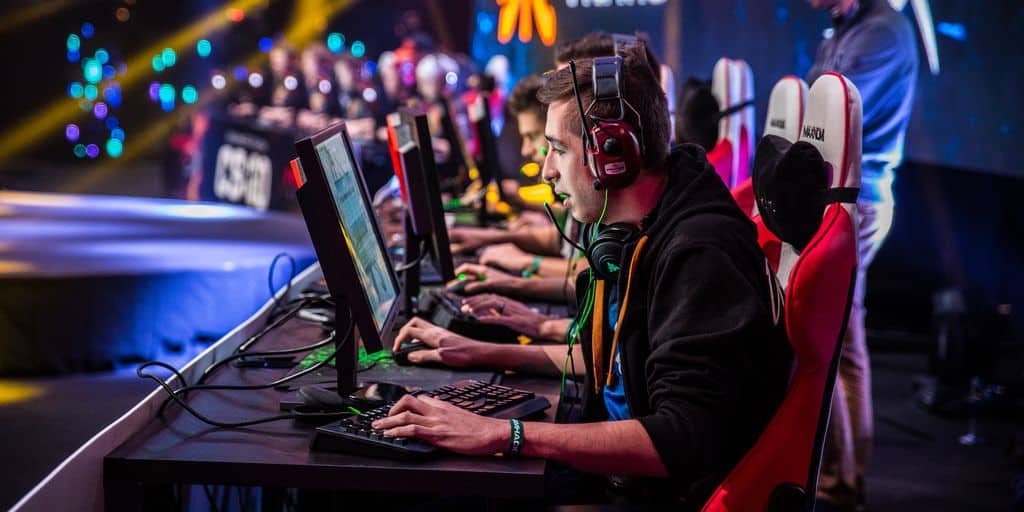
In today's digital age, video game skills have transcended mere entertainment, providing players with abilities that can translate into real-world superpowers. For instance, many action-adventure games require users to develop quick reflexes, strategic thinking, and problem-solving skills to advance through levels and defeat formidable bosses. These competencies are not just limited to the gaming world; they foster critical thinking and enhance decision-making abilities in high-pressure environments such as workplaces. Gamers often become adept at quickly analyzing situations, which can lead to improved performance in tasks that require swift judgment and adaptability.
Moreover, the collaborative nature of many online multiplayer games encourages the development of essential soft skills, such as teamwork and communication. Players must coordinate with others, often leading teams to victory through effective strategizing and clear dialogue. This experience can translate into real-world situations, empowering individuals to become better leaders and collaborators in professional settings. By honing these teamwork skills in the virtual realm, gamers can emerge as more effective contributors to their communities and workplaces, showcasing how the realm of video games is not just a pastime but a training ground for real-life superpowers.
Counter-Strike is a popular tactical first-person shooter game that has captivated millions of players worldwide. Known for its competitive gameplay and team-based strategy, it offers a range of maps and game modes that keep players engaged. If you're looking for ways to enhance your gaming experience, check out the Top 10 Tech Gifts for Gamers to find the perfect gear to elevate your skills.
Unlocking Potential: What Gamers Can Teach Us About Resilience and Teamwork
In the world of gaming, players often face challenges that demand an extraordinary level of resilience. Whether it's overcoming in-game obstacles or bouncing back from defeat, gamers learn to adapt and persist in the face of adversity. For instance, many online games integrate complex mechanics that require players to develop strategies quickly and adjust their playstyle based on changing circumstances. This experience fosters a mindset that values perseverance, teaching valuable lessons that go beyond the screen. As players encounter setbacks, they learn that failure is merely a stepping stone towards success, a principle that can be applied in various aspects of life.
Additionally, the collaborative nature of multiplayer games emphasizes the importance of teamwork. Gamers often must rely on their teammates to achieve common goals, fostering a sense of community and shared responsibility. Whether coordinating attacks in a battle royale or strategizing during a raid, the lessons in collaboration are profound. Through these experiences, players cultivate essential skills such as communication, trust, and conflict resolution. These are crucial not only in gaming but also in everyday environments like workplaces and relationships. Ultimately, the dynamics found in gaming can serve as a microcosm for understanding and improving teamwork in various real-world situations.
From Player to Hero: How Gaming Is Shaping Modern-Day Problem Solvers
In today's digital era, gaming has evolved far beyond mere entertainment; it has become a significant catalyst for developing essential problem-solving skills. Gamers engage in complex challenges that require critical thinking, strategizing, and quick decision-making. Whether navigating an intricate quest in a fantasy world or solving real-world scenarios in simulation games, players learn to assess situations, anticipate outcomes, and devise effective solutions. This continuous practice not only hones their cognitive abilities but also fosters resilience and adaptive thinking, traits that are invaluable in real-life problem-solving.
Moreover, gaming social communities encourage collaboration and teamwork, as players often rely on each other to achieve common goals. This emphasis on cooperation in games cultivates communication skills and builds a supportive network, mirroring real-world dynamics in workplaces and communities. As players transition from digital realms to real-life challenges, the lessons learned from these gaming experiences shape them into modern-day heroes—individuals equipped to tackle obstacles creatively and effectively, making them essential contributors to society's progress.