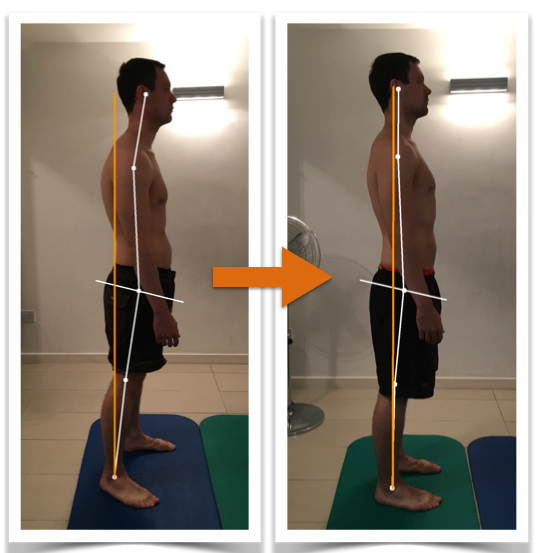
Top 5 Everyday Habits to Instantly Improve Your Posture
Improving your posture doesn't require a drastic lifestyle change; rather, it can often be achieved through simple, everyday habits. One of the most effective ways to start is by becoming more aware of your sitting position. For instance, when working at a desk, ensure that your back is straight and your shoulders are relaxed. You can make use of ergonomic chairs which offer better support for your back. Additionally, try to keep your feet flat on the floor and your screen at eye level to avoid straining your neck.
Another beneficial habit is to incorporate regular stretching into your routine. Taking short breaks every hour to stand up and stretch can significantly alleviate tension built up in your muscles. Simple stretches that focus on the chest, back, and hip flexors can counteract the negative effects of prolonged sitting. Moreover, consider practicing posture exercises such as planks and bridges, which not only strengthen your core but also promote better alignment of the spine. Add these practices to your daily schedule and notice the improvements in your posture over time!
Counter-Strike is a highly popular first-person shooter game that emphasizes team-based strategy and skill. Players can choose between two teams, terrorists and counter-terrorists, and compete in various game modes, including bomb defusal and hostage rescue. For gamers who spend long hours playing, it's essential to consider ergonomics, which is why we recommend checking out the Top 10 Desk Accessories for Posture to enhance your gaming setup.
The Science Behind Good Posture: Why It Matters More Than You Think
The science behind good posture is rooted in a combination of mechanics, neurology, and overall health. Research has shown that maintaining an upright posture can significantly influence our physical well-being and mental state. Proper alignment of the spine and body not only facilitates optimal organ function but also affects our mood and productivity levels. When we sit or stand with good posture, our body experiences less strain, leading to decreased muscle fatigue and discomfort. Moreover, studies suggest that individuals who practice good posture are often perceived as more confident, which can have social and professional benefits.
Aside from the obvious aesthetic benefits, the importance of good posture extends into various domains of life. Good posture has been linked to enhanced respiratory function, promoting better oxygen intake and energy levels throughout the day. Additionally, it plays a critical role in preventing chronic pain conditions, particularly in the back and neck areas. To harness these benefits, consider incorporating simple practices into your daily routine, such as:
- Mindfulness exercises to increase body awareness.
- Regular breaks from screen time to stretch and realign your posture.
- Strengthening exercises focused on the core and back muscles.
By prioritizing good posture, you invest not only in your physical health but in your overall quality of life.
Are You Sitting Right? Common Mistakes That Could Be Hurting Your Posture
Many people underestimate the importance of good posture and may not even realize how their everyday habits can contribute to poor alignment. Common mistakes such as hunching over a computer, slouching on the couch, or cradling a phone between the shoulder and ear can lead to discomfort and long-term consequences. Take a moment to assess your sitting position; are your shoulders relaxed, and is your back straight? Paying attention to these details can make a significant difference in your posture health.
Moreover, improper seating arrangements can further exacerbate posture issues. Using a chair that doesn’t provide adequate support or sitting for prolonged periods without breaks can be detrimental. To improve your sitting habits, consider the following tips:
- Invest in an ergonomic chair that supports your lower back.
- Keep your feet flat on the ground and knees at hip level.
- Take regular breaks to stand, stretch, and reset your posture.