Top 5 Hidden Culprits Taking Up Space on Your Mac
When it comes to optimizing your Mac's performance, understanding the hidden culprits that consume valuable storage space is essential. In this article, we will uncover the Top 5 Hidden Culprits Taking Up Space on Your Mac, many of which may be lingering unnoticed. First on our list is cache files. Over time, applications and browsers accumulate cache data to speed up processes, but this can lead to excessive space usage. You can clear these files manually or use built-in tools like Mac's Disk Utility or third-party applications to reclaim lost space.
Next, we have large mail attachments, which often pile up within your email client, consuming a significant amount of storage. To manage these, consider organizing your inbox and deleting attachments that are no longer necessary. The third culprit is duplicate files. These can sneak into your folders through various means, cluttering up your storage. Utilizing apps dedicated to finding and eliminating duplicates can bring back essential space. Fourth on the list are system logs, which are useful for diagnostics but can grow immensely over time. Regularly clearing these can improve performance. Finally, we should mention unmounted disk images that may remain on your Mac after software installations. Dismounting unused images will also help free up storage, ensuring your Mac runs smoothly.
Counter-Strike is a highly popular tactical first-person shooter that has captivated gamers since its release. Players can choose from various game modes, engage in team-based matches, and employ strategic gameplay to secure victory. For gamers seeking to enhance their gaming experience, there are Top 10 external ssds for mac that can significantly improve loading times and overall performance.
How to Identify and Manage Storage Hogging Apps on Your Mac
Managing storage on your Mac is crucial to ensure optimal performance and efficiency. One of the primary culprits behind storage issues are storage hogging apps. To identify these applications, start by navigating to the Apple menu and selecting About This Mac. From there, click on Storage and then Manage. This will provide you with a comprehensive overview of how your storage is utilized, allowing you to pinpoint apps consuming excessive disk space.
Once you've identified the storage hogging apps, it's time to manage them effectively. Consider uninstalling applications that you no longer use or find necessary. If you want to keep certain apps but reduce their impact on your storage, check if there are options to clear cache or delete temporary files. Additionally, using third-party tools like DaisyDisk or CleanMyMac can help visualize your storage usage and assist in optimizing space management.
Is Your Mac Running Out of Space? Common Misconceptions and Solutions
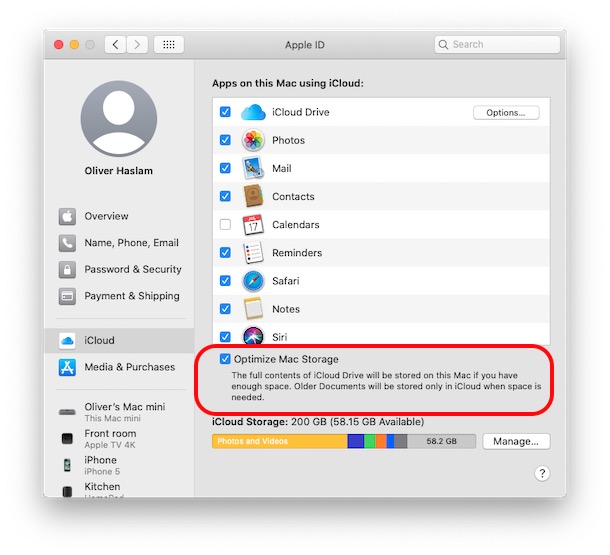
Many Mac users believe that a full hard drive is the only sign that their Mac is running out of space. However, there are several common misconceptions that can lead to unnecessary worry. For instance, some people think that once the storage is close to capacity, the system will start malfunctioning or running extremely slow. While it's true that low storage can affect performance, modern Macs have optimized systems that help manage storage more efficiently than older models. Moreover, macOS includes features that allow users to offload files to iCloud, thus freeing up local space without losing access to important documents.
To proactively address storage issues, consider implementing these solutions:
- Optimize Storage: Use the built-in optimization tools in macOS that suggest files to delete or store in iCloud.
- Clear Cache and Logs: Regularly clear cache files and logs that can accumulate over time and take up unnecessary space.
- Uninstall Unused Applications: Periodically review applications installed on your Mac and remove those that are no longer needed.