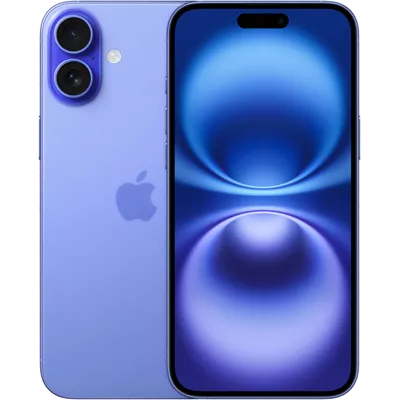
How the iPhone Transformed Personal Technology into Everyday Lifestyle
The launch of the iPhone in 2007 marked a pivotal moment in how personal technology was integrated into our daily lives. Unlike its predecessors, the iPhone was not just a phone; it was a multifunctional device that seamlessly combined communication, entertainment, and productivity. This revolutionary gadget introduced a user-friendly touchscreen interface and made the internet accessible at our fingertips. As a result, it transformed the way we engage with technology, pushing smartphones to the forefront of personal and professional communication. Users began to rely on the iPhone for everything from instant messaging to social networking, effectively making it an essential part of modern lifestyle routines.
Over the years, the iPhone has continued to evolve, further embedding itself into the fabric of everyday activities. With the introduction of various apps for fitness, finance, and travel, the device has expanded its utility beyond traditional uses. For instance, people can now easily track their health metrics, manage their finances, or navigate through new cities with just a few taps. The iPhone's impact on personal technology is profound; it has redefined expectations for mobile devices and created an ecosystem where technology and daily life intersect seamlessly, paving the way for innovations that continue to shape how we interact with the world around us.
Counter-Strike is a highly popular multiplayer first-person shooter game that pits teams of terrorists against counter-terrorists in various objective-based missions. Players must work together, utilizing strategy and communication, to achieve their goals, whether it's planting a bomb or rescuing hostages. For those interested in photography, you might want to check out the Top 10 iphone camera lenses to enhance your mobile photography skills. The game has spawned numerous iterations, with Counter-Strike: Global Offensive being the most recognized version, captivating a large esports community.
5 Ways the iPhone Influences Modern Living
The iPhone has profoundly shaped modern living in several ways, fundamentally altering how we communicate, work, and entertain ourselves. One of the most noticeable impacts is in the realm of communication. With the iPhone, staying connected with loved ones has never been easier. Its seamless integration of social media apps and messaging platforms allows users to share moments and updates instantly, reducing the barriers that distance once posed. Furthermore, the introduction of FaceTime has transformed how we connect, enabling virtual face-to-face conversations that enhance our relationships.
Additionally, the iPhone has revolutionized the way we access information. With just a few taps, users can acquire knowledge on virtually any topic, thanks to the vast array of applications and web browsing capabilities. This level of accessibility promotes a culture of continuous learning and knowledge-sharing. Moreover, the advancement of productivity apps like Notes, Calendar, and Reminders has allowed individuals to manage their daily tasks more efficiently, illustrating how the iPhone is not just a communication device but a powerful tool that influences our productivity and lifestyle choices.
Is the iPhone More Than Just a Smartphone? Exploring its Impact on Daily Life
The iPhone has transcended its role as merely a smartphone, becoming a central hub of our daily lives. With its sophisticated technology and user-friendly design, it has redefined communication, entertainment, and productivity. From managing our schedules with integrated calendars to facilitating instant communication through various messaging apps, the iPhone has embedded itself in our routines. Furthermore, it serves as an entertainment device, allowing users to stream movies, play games, and access social media platforms with ease. Its versatile functionality positions the iPhone as more than just a tool; it has essentially become an extension of ourselves.
Beyond personal usage, the impact of the iPhone is evident in various sectors including business, education, and healthcare. For instance, professionals use the iPhone to conduct meetings via video calls, collaborate on projects through productivity apps, and track important metrics with analytical tools. In education, students rely on the iPhone for research, learning applications, and communication with peers and teachers. Additionally, healthcare providers utilize iPhones for patient management and telehealth services, underscoring its importance in modern medicine. As we continue to explore the capabilities of this innovative device, it becomes clear that the iPhone is not just a smartphone; it is a vital component of our daily existence.