How a Gimbal Can Transform Your Shaky Footage into Cinematic Masterpieces
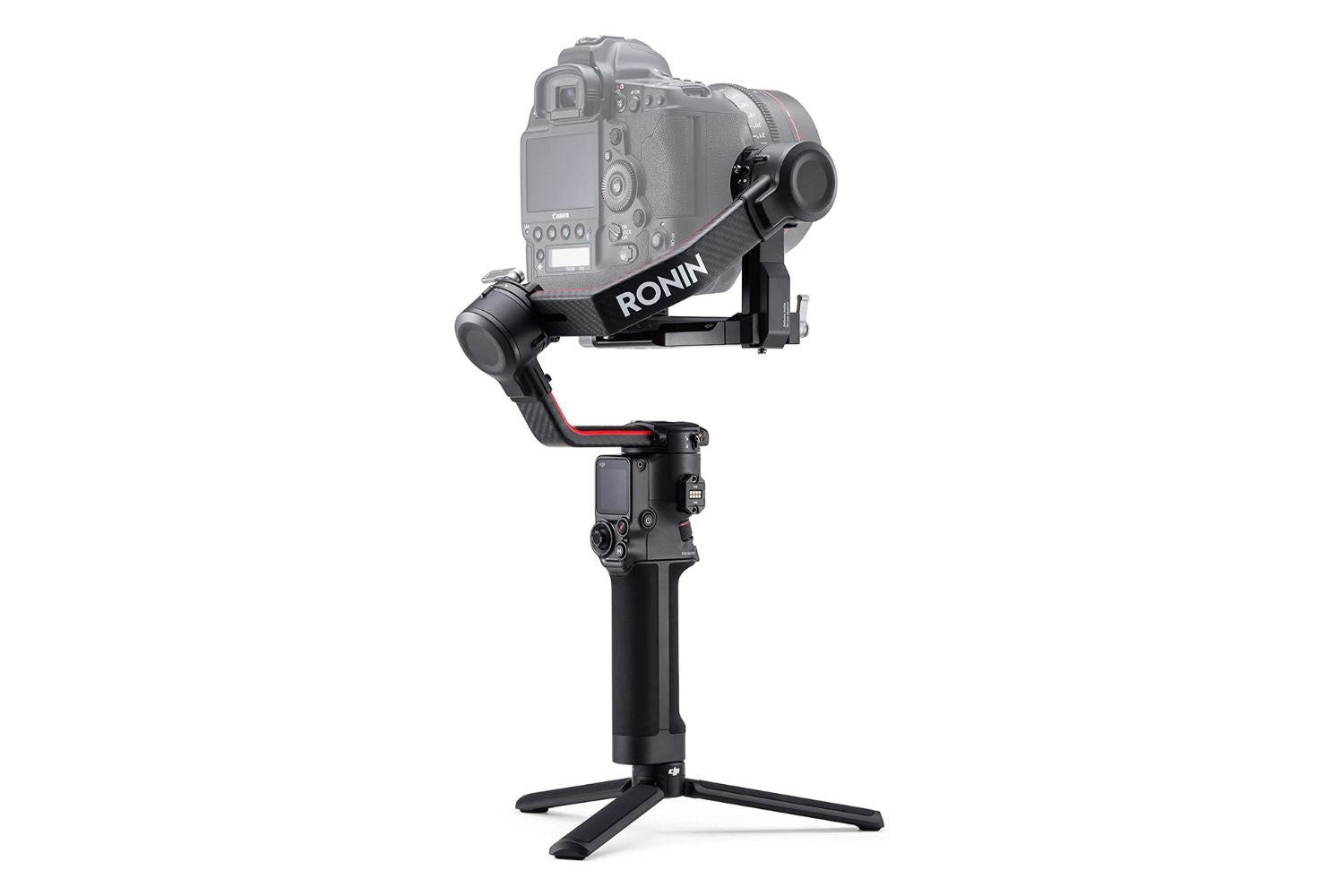
Are you tired of losing precious moments to shaky footage that ruins your videos? A gimbal can be the game-changer you’ve been looking for. This innovative device stabilizes your camera, ensuring that your shots are smooth and cinematic. With built-in motors that counteract movement, a gimbal allows you to move freely while capturing stunning visuals. Not only does this enhance the overall quality of your videos, but it also elevates your storytelling, allowing viewers to engage more deeply with your content.
Investing in a gimbal transforms ordinary footage into cinematic masterpieces. Many filmmakers and content creators have discovered that utilizing a gimbal enables them to achieve dynamic motion shots, steady tracking, and smooth pans. Whether you're documenting an event, filming a vlog, or creating artistic videos, gimbals provide unparalleled stability. Additionally, by following just a few simple techniques—like balancing your camera properly and practicing smooth movements—you can maximize the potential of your gimbal and truly impress your audience.
Counter-Strike is a highly popular first-person shooter game that emphasizes team-based tactics and strategy. Players join either the terrorist or counter-terrorist team to complete objectives or eliminate the opposing team. For those looking to enhance their gaming experience, check out the Top 10 iphone gimbals to stabilize your mobile gameplay.
Top 5 Gimbal Tips for Capturing Smooth and Stunning Adventures
When it comes to capturing stunning adventures, a gimbal is your best friend. It significantly reduces camera shake, ensuring that your videos are smooth and professional-looking. Tip 1: Always balance your gimbal before starting your shoot. This step is crucial as an unbalanced gimbal can lead to inconsistent performance. Tip 2: Use the correct modes for the type of shot you’re trying to capture. For example, use 'Follow Mode' for sweeping landscapes and 'Lock Mode' for dynamic, fast-paced actions. Understanding each mode's function can dramatically enhance your footage quality.
Furthermore, practice makes perfect! Tip 3: Spend time learning how to move with your gimbal. Slow and steady movements will yield the most stable shots, so avoid jerky motions. Tip 4: Don’t forget about your framing and composition; even with smooth footage, poorly composed shots can lower the overall quality of your adventure video. Lastly, Tip 5: Invest time in post-production. Stabilization software can help refine your shots even further, allowing you to achieve that cinematic look you're after.
Gimbal vs. Stabilizer: Which is Best for Your Filmmaking Needs?
When it comes to capturing smooth, professional-looking footage, choosing between a gimbal and a stabilizer can be crucial for your filmmaking needs. A gimbal uses motors and sensors to actively counteract unwanted movements, allowing for incredibly smooth shots even while in motion. This makes it an excellent choice for dynamic scenes or fast-paced action, providing you with the flexibility to achieve various creative angles. On the other hand, traditional stabilizers, such as glidecams, rely on counterweights and physical balance. While they can be more affordable and easier to set up, they often require more practice to master.
Ultimately, the best choice for your filmmaking project will depend on several factors. If you often shoot on the move—like during sports events or wedding ceremonies—a gimbal may be the better option due to its advanced stabilization technology. Conversely, for slower, more controlled shots, a stabilizer could suffice, especially if you are just starting out or working on a tight budget. Consider your filming style, the type of shots you want to capture, and your budget before making a decision. Both tools have their strengths and can enhance your storytelling when used correctly.