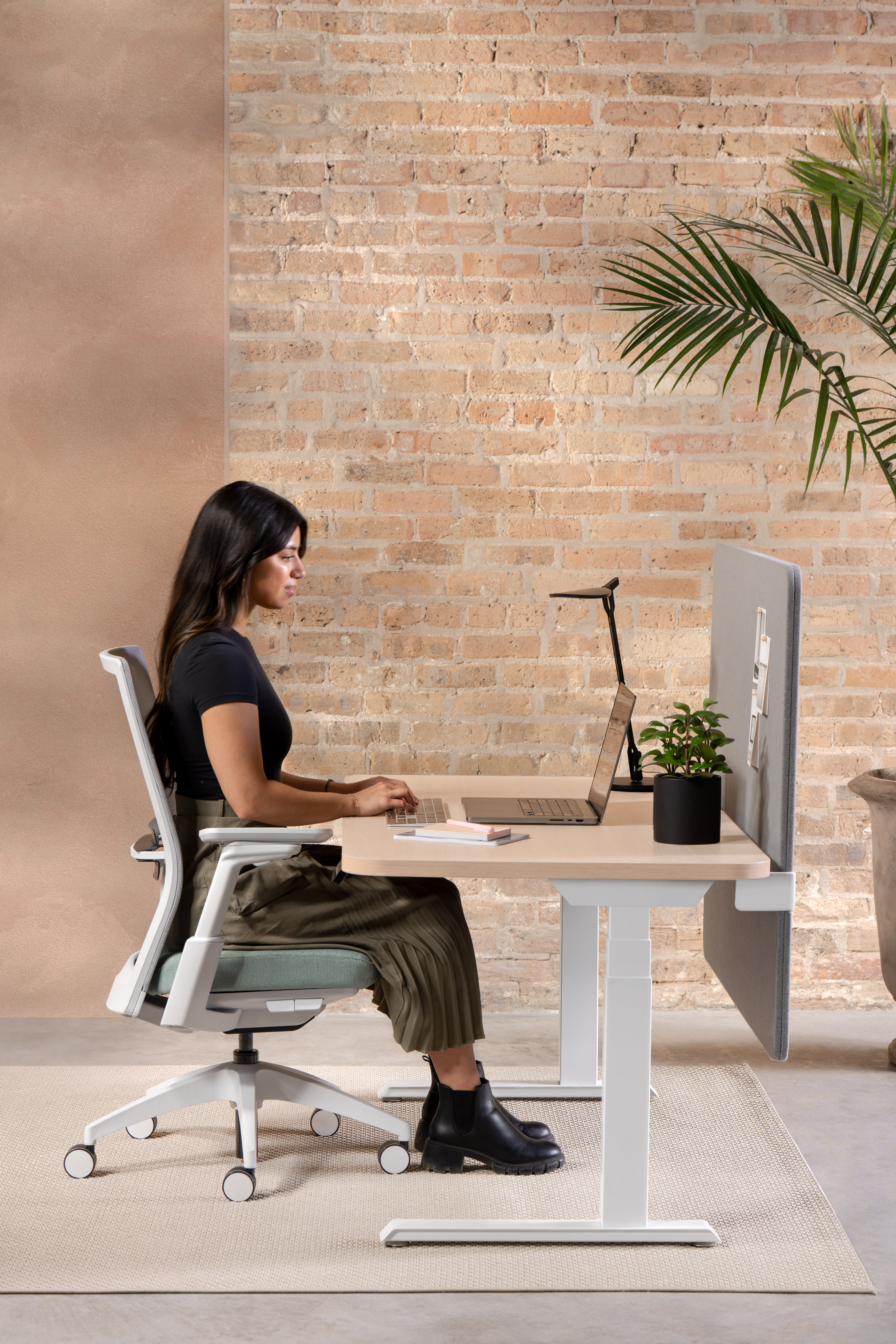
5 Essential Ergonomic Tips for a Healthier Workstation
Creating a healthier workstation is essential for enhancing productivity and minimizing discomfort. Here are 5 essential ergonomic tips to improve your workspace:
- Adjust Your Chair: Ensure that your chair supports your lower back and allows your feet to rest flat on the ground. Your knees should be at a right angle, and your hips should be slightly above your knees.
- Monitor Position: Position your monitor at eye level, approximately an arm's length away. This helps to reduce strain on your neck and eyes, fostering a more comfortable work environment.
In addition to seating and monitor adjustments, consider these additional ergonomic practices:
- Keyboard and Mouse Placement: Keep your keyboard and mouse close enough that your arms can rest comfortably at your sides. Your wrists should be straight and not bent while typing or clicking.
- Take Regular Breaks: Schedule short breaks to stretch and move around. This helps prevent stiffness and maintains circulation, contributing to a healthier workstation.
- Mind Your Lighting: Ensure your workspace is well-lit to reduce eye strain. Consider using natural light where possible and supplementing with task lighting to illuminate your keyboard and workspace.
Counter-Strike is a highly popular tactical first-person shooter game that emphasizes team cooperation and strategic gameplay. Players engage in intense matches, often requiring quick reflexes and precise aim. For those looking to enhance their gaming experience, check out the Top 10 Creator Desk Setups which can help you create an optimal gaming environment.
How to Set Up Your Desk to Combat Bad Posture
Having a well-organized desk setup is crucial for maintaining good posture throughout your workday. Start by adjusting your chair to ensure that your feet are flat on the floor, and your knees are at a 90-degree angle. Your desk height should be set so that your elbows are also at 90 degrees when typing, keeping your wrists in a neutral position. Consider using a monitor stand to elevate your screen to eye level, which helps prevent neck strain and encourages an upright posture.
To further enhance your workspace ergonomics, integrate the following elements:
- Keyboard and Mouse Placement: Keep them close enough so that you can maintain your elbows at your sides while using them.
- Desk Organization: Arrange your most-used items within arm's reach to minimize twisting and stretching.
- Regular Breaks: Implement a schedule that encourages short breaks every hour to stand, stretch, and reset your posture.
Are You Sitting Correctly? Common Mistakes to Avoid for Better Posture
Maintaining proper posture while sitting is crucial for preventing discomfort and long-term health issues. Many individuals unknowingly develop bad habits, such as slouching or leaning too far forward, which can lead to muscle strain and chronic issues. To promote better posture, ensure your chair provides adequate lumbar support and that your feet are flat on the floor. Additionally, it’s essential to adjust your computer screen to eye level to prevent neck strain. Remember, common mistakes can often be corrected with simple adjustments and reminders throughout your day.
One common mistake is crossing your legs while sitting, which can lead to misalignment of the hips and spine. Instead, keep your knees at a 90-degree angle and your thighs parallel to the ground. If you find yourself sitting for long periods, take regular breaks to stretch and reset your posture. As you become more aware of your position and make conscious adjustments, you’ll notice significant improvements in your comfort and overall well-being. A few moments of mindfulness can prevent years of discomfort.