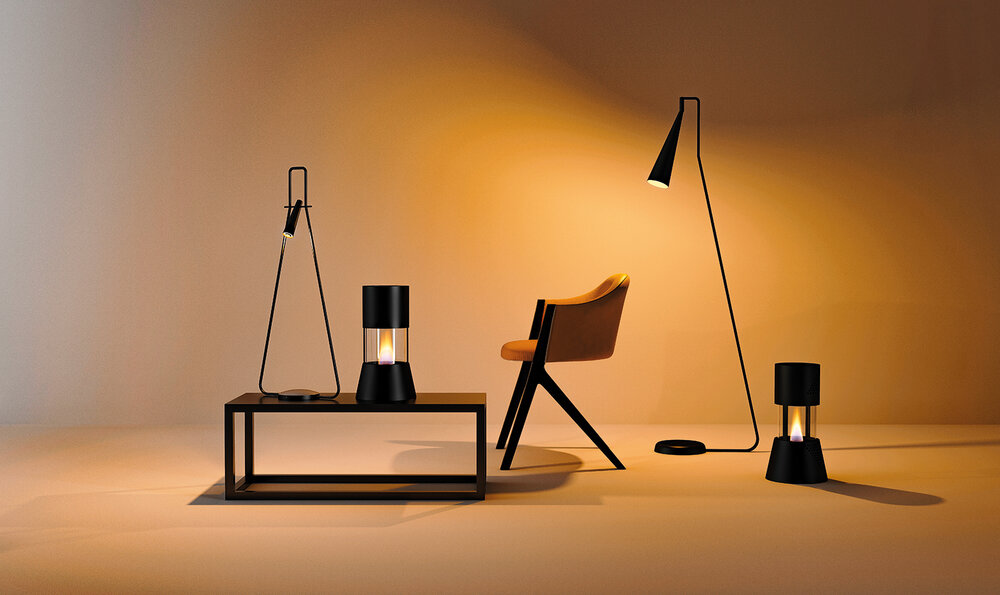
The Psychology of Color: How Your Aesthetic Choices Shape Your Mood
The psychology of color plays a crucial role in how we perceive our environment and influences our emotions in powerful ways. Different colors evoke different feelings; for instance, warm colors like red and orange can stimulate excitement and energy, while cool colors such as blue and green are often associated with calmness and relaxation. Understanding these associations enables individuals to make informed aesthetic choices in their homes, workspaces, and even clothing, ultimately shaping their mood and mental state.
When selecting colors for your personal space, consider the following aspects of color psychology:
1. **Red** - Can increase heart rate and feelings of passion.
2. **Blue** - Known to promote trust and a sense of tranquility.
3. **Yellow** - Often associated with happiness and energy.
4. **Green** - Symbolizes nature and can help reduce stress.
By being mindful of these principles, you can harness the power of color to enhance your well-being and positively influence your daily life.
Counter-Strike is a popular first-person shooter game that emphasizes teamwork and strategy. Players can take on the roles of terrorists or counter-terrorists, engaging in various game modes that require quick reflexes and tactical thinking. If you're looking to enhance your gaming setup, check out the Top 10 apple tv remote covers for some great accessories.
Curating Your Space: Practical Tips for Designing an Inspiring Environment
Curating your space is more than just a design task; it’s a profound way to enhance your creativity and well-being. To start, consider the color palette of your environment. Colors can influence mood and productivity. For instance, soft blues and greens promote calmness while vibrant yellows and oranges can ignite creativity. Incorporate these colors through paint, furniture, or decor elements. Additionally, ensure that your space is not cluttered; a clean and organized environment can significantly improve focus. To maintain organization, implement storage solutions like baskets or shelves to keep items neatly tucked away.
Next, personalize your space with meaningful decor that inspires you. This could include artwork, photographs, or motivational quotes. Consider dedicating a small area for a vision board where you can display your goals and aspirations. Adding plants can also introduce a sense of life and freshness to your environment. They not only improve air quality but also connect you to nature, which can be incredibly grounding. Remember, an inspiring space is reflective of your personality—embrace your unique style and let it shine through in every detail.
Why Aesthetics Matter: The Hidden Impact of Design on Daily Life
In today’s fast-paced world, the importance of aesthetics cannot be overstated. From the websites we browse to the products we purchase, the visual appeal plays a crucial role in our everyday choices. Research shows that consumers often associate high-quality design with brand credibility, which can significantly influence purchasing decisions. This connection illustrates how design shapes our experiences and perceptions, subtly guiding our actions in ways we may not consciously acknowledge. A well-designed environment can enhance productivity, boost mood, and even foster creativity, demonstrating that aesthetics are not merely decorative but integral to our overall well-being.
Moreover, aesthetics also affect our relationships and interactions with others. A harmonious and visually appealing space, whether it's a home, a workplace, or a public area, can promote social engagement and well-being. For instance, studies have shown that vibrant colors and thoughtful layouts can enhance positive feelings and encourage collaboration. Thus, the hidden impact of design extends beyond its immediate visual appeal to influence our emotions and social connectivity. In essence, recognizing the significance of aesthetics allows us to create environments that enrich our lives and the lives of those around us.