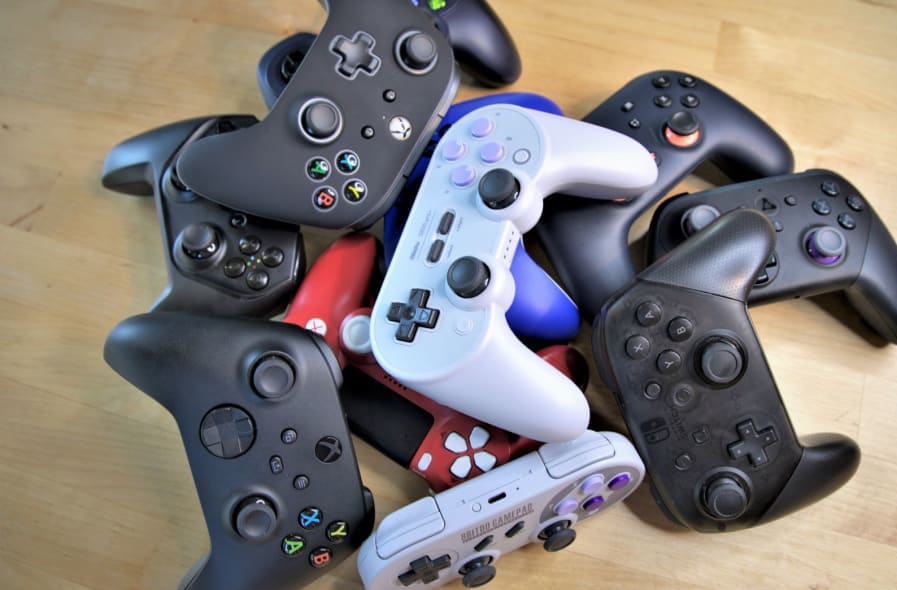
The Evolution of Game Controllers: From Joysticks to Joy-Cons
The journey of game controllers has been nothing short of revolutionary, reflecting the technological advancements and changing gaming preferences over the decades. Initially, simple joysticks dominated the market, allowing players to navigate their favorite arcade games with ease. These early controllers, often featuring a single stick and a few buttons, paved the way for more complex designs. As gaming consoles evolved in the late 20th century, so did the controllers, leading to the introduction of ergonomic designs, multiple buttons, and analog sticks, which enhanced precision and control, making gameplay more immersive.
As we moved into the 21st century, the advent of modern gaming brought with it the Joy-Con controllers for the Nintendo Switch, a prime example of how far game controllers have come. These innovative controllers offer versatility with their motion-sensing capabilities, detachable designs, and comprehensive button layouts, catering to both casual and hardcore gamers. Moreover, the rise of wireless gaming has made gameplay more accessible than ever, eliminating the tangle of cords that previously confined players. Looking ahead, one can only imagine how game controllers will continue to evolve, integrating more advanced technologies like haptic feedback and adaptive triggers, further enhancing the interactive experience.
Counter-Strike is a popular tactical first-person shooter game that pits teams of terrorists against counter-terrorists in various objective-based scenarios. Players can choose from a variety of weapons and tactics, making it a dynamic and competitive experience. For gamers looking to enhance their gameplay on mobile devices, check out the Top 10 iPhone controllers that can help improve precision and control while playing.
Hidden Gems: The Most Underrated Controllers in Gaming History
The world of gaming controllers is often dominated by the mainstream giants like PlayStation and Xbox, but there are numerous underrated controllers that deserve recognition. One such hidden gem is the SEGA Saturn controller, revered for its ergonomic design and responsive buttons. Released in the mid-'90s, this controller featured a six-button layout that catered perfectly to fighting games, providing players with a competitive edge that wasn't fully appreciated at the time. Its sleek design and solid build quality still hold up, making it a favorite among retro gamers looking for that authentic arcade feel.
Another controller that often gets overlooked is the Logitech ChillStream, which introduced cooling technology to the gaming experience. This innovative controller included built-in fans to keep your hands cool during intense gaming sessions, a feature that is particularly beneficial for long playthroughs. While it didn’t achieve commercial success, its unique features paved the way for future ergonomic designs. Interestingly, many of today’s gaming peripherals borrow elements from this underrated classic, proving that the most underrated controllers often lay the groundwork for advancements in gaming technology.
How Game Controllers Shape the Player Experience: An In-Depth Analysis
Game controllers are pivotal in defining the player experience, serving as the primary interface between the gamer and the virtual world. The design, ergonomics, and responsiveness of these devices can significantly influence gameplay, affecting everything from precision in shooting games to the fluidity of movements in action-adventure titles. Various types of controllers, such as gamepads, joysticks, and innovative options like motion-sensing devices, each bring unique attributes that cater to different gaming styles and preferences. For instance, traditional gamepads offer tactile feedback that can enhance immersion, while motion controllers may provide a more interactive experience, making players feel physically involved in their gameplay.
The evolution of game controllers has also paralleled advancements in technology, leading to improvements in performance and functionality. Features like vibration feedback, customizable buttons, and wireless connectivity have enhanced the overall experience, allowing players to engage more deeply with interactive content. Additionally, the rise of accessibility options in modern controllers ensures that a wider range of players can enjoy gaming, further enhancing the player experience across diverse demographics. As developers continue to innovate, understanding how these tools shape gameplay will remain crucial for creating engaging and enjoyable gaming environments.