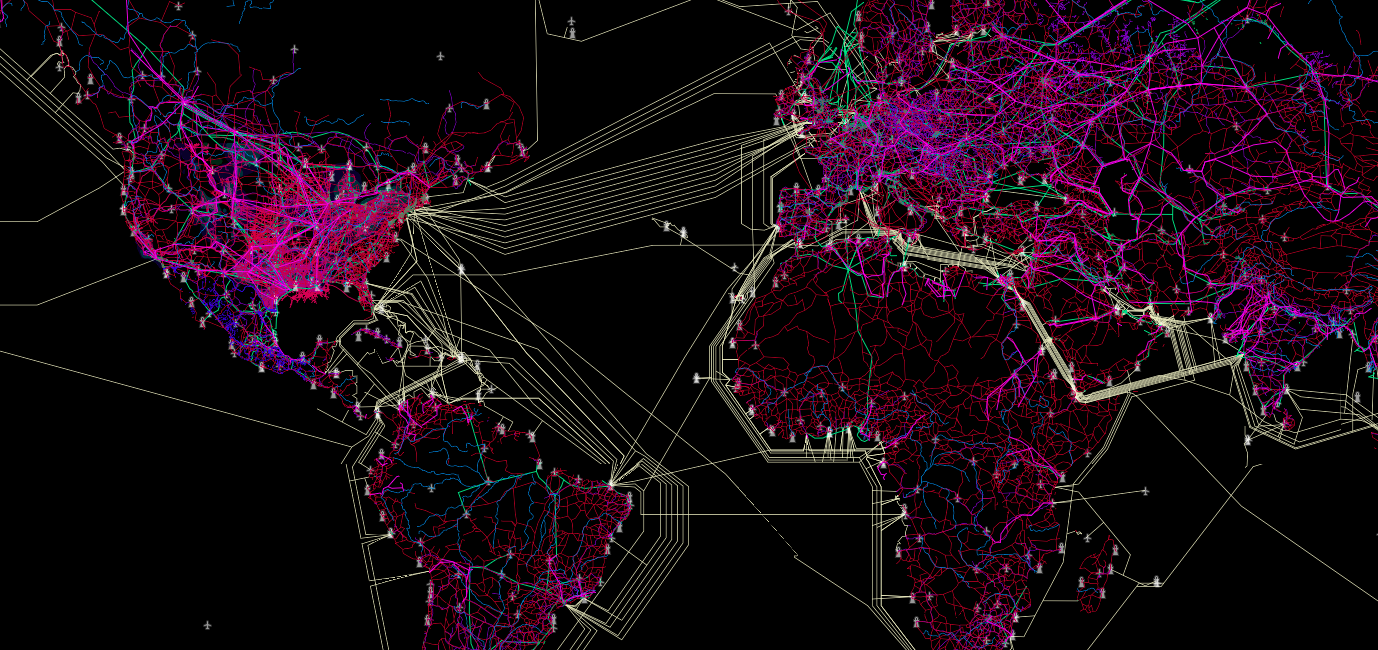
Exploring the Metaphor: Are We Really Just Wi-Fi Signals in Modern Society?
The idea that we are merely Wi-Fi signals in modern society is a provocative metaphor that invites us to examine our interconnectedness. Just like Wi-Fi signals, which transmit data and connect devices seamlessly, our relationships often rely on unseen connections that bind us to others. In today's fast-paced digital age, we frequently find ourselves communicating through screens rather than face-to-face interactions, akin to signals bouncing off routers. This shift raises a compelling question: Are we losing our essence as human beings by living in a world that's increasingly driven by technology?
Furthermore, the metaphor of being Wi-Fi signals prompts us to consider our impact on one another. Just as interference can weaken a wireless connection, our behaviors and choices can either strengthen or disrupt the social fabric that holds communities together. The echoes of our digital communications shape perceptions and can create both positive and negative ripple effects. As we delve deeper into this metaphor, we must ask ourselves: How can we cultivate stronger, more meaningful connections in a society that often prioritizes convenience over genuine interaction?
Counter-Strike is a multiplayer first-person shooter game that has captivated gamers since its release in 1999. Players engage in team-based combat, choosing to play as terrorists or counter-terrorists in various game modes. To enhance your gaming experience, consider investing in the Top 10 mac accessories for creators that can help improve your setup and performance.
The Science of Connection: How Technology Shapes Human Interaction
In today’s digital age, the way we interact with each other has undergone a significant transformation, driven primarily by advancements in technology. The rise of social media, instant messaging, and video conferencing tools has reshaped our communication landscape, allowing us to foster relationships across vast distances. However, this science of connection also raises important questions about the quality of these interactions. Are we truly connecting or simply exchanging ephemeral messages? Understanding the psychology behind our digital interactions is key to unlocking the deeper aspects of human connection.
Studies reveal that while technology can enhance our ability to connect, it can also lead to feelings of isolation and loneliness. For instance, a paradox exists where individuals who are more engaged online often report feeling less satisfied in their real-life relationships. This highlights a crucial point: the balance between digital and face-to-face interactions is essential. As we navigate this complex landscape, it’s important to focus on creating meaningful digital experiences that contribute positively to our social lives. The science of connection thus becomes not just about technology, but about fostering genuine human relationships in a tech-driven world.
Are Digital Connections as Meaningful as Face-to-Face Relationships?
In today's rapidly evolving digital landscape, the question arises: Are digital connections as meaningful as face-to-face relationships? While virtual interactions have enabled us to connect with friends and family across vast distances, the depth of these relationships often varies. Face-to-face interactions provide a unique richness through non-verbal cues such as body language and tone of voice, which can enhance understanding and emotional connection. Moreover, physical presence can foster a sense of community that digital platforms sometimes struggle to replicate.
On the other hand, digital connections offer their own set of advantages. For instance, they allow for the maintenance of relationships that might otherwise fade due to distance or hectic schedules. Furthermore, social media platforms and messaging apps enable us to share our lives instantaneously, creating a semblance of closeness despite geographical barriers. Ultimately, the meaningfulness of any connection, digital or face-to-face, relies on the quality of engagement and the effort invested in nurturing those relationships.